 MYB News
Customs has not returned $44 billion of the tariff money
Customs says the last stage of its refund system opens 6 October. Another $1.3 billion is sitting still for want of bank details.
The Supreme Court ruled on 20 February 2026, by six votes to three, that the International Emergency Economic Powers Act did not authorize the tariffs imposed under it, in Learning Resources, Inc. v. Trump. Customs and Border Protection told the Court of International Trade on 15 September that the last stage of its refund system will open on 6 October.
Thompson Hine reported the filing; GHY International has tracked the rollout since April.
The number
Importers paid $166 billion under those orders, more than 330,000 businesses across 53 million entries. As of 11 September, Customs reported $122 billion completed and sent to Treasury, per GHY International. That leaves roughly $44 billion collected and not yet returned, about 27 percent of the total, nearly seven months after the ruling.
Not all of it is a bill Customs will pay: entries carrying antidumping or countervailing duties are excluded, warehouse entries closed on 7 July, 6.1 million entries failed validation, and some importers never filed.
Across those entries the duty averaged about $3,130 — an average, not a rate, and an entry is not a container. A dozen entries filed while the duties ran comes to tens of thousands of dollars.
How the money comes back
The importer of record, the party named on the customs entry, pays the duty at the dock. Customs holds the entry open, then "liquidates" it: it closes the books on what that shipment owed. Liquidation starts every clock here.
Nothing moves until someone claims it. Claims go through a refund module in Customs' filing portal, opened 20 April, with a second stage on 29 June. Three things have to be in place before anything is paid: an approved account, bank details on file, and a declaration listing the entries. Customs reliquidates the shipments without the duty, certifies the amount and sends it to Treasury, which pays into the account on file, 60 to 90 days after acceptance.
The ordering is where claims die. The first stage accepts an entry only while it is unliquidated, or within 80 days after it liquidates. Account approval is a separate step in a separate queue. The filing window does not pause while the account is approved.
The stage opening 6 October covers entries liquidated more than 80 days ago. Customs' stated position is that it is open only to importers already suing at the Court of International Trade, and whether it may limit it that way is itself being litigated. Freight Right Global Logistics puts the cost of such a suit at $10,000 to $15,000, which can exceed what a small importer would recover. The older route, an ordinary protest, runs 180 days from liquidation.
Interest accrues to importers on the unpaid balance at about $650 million a month, roughly $22 million a day, per the National Law Review and the Coalition for a Prosperous America — figures published earlier in the payout cycle, when the balance was larger. It is the one number here that moves without anyone filing anything.
Who it hits here
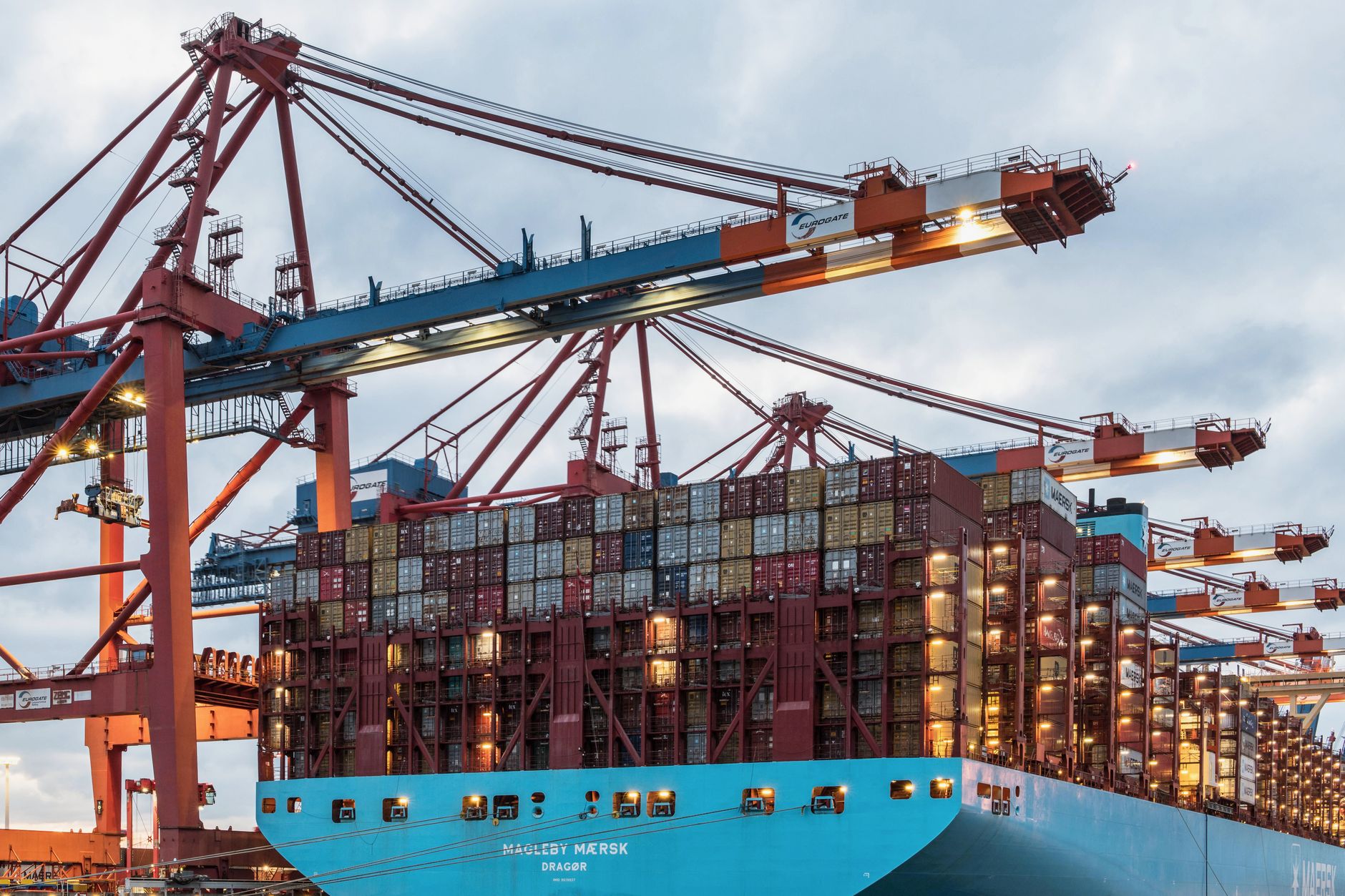
A seforim importer in Lakewood who brought stock in from Europe last year paid the duty at the dock, and so did a toy distributor in Monsey and a housewares wholesaler in Brooklyn. Party goods, textiles, hat bodies, packaging: anything landing between April 2025 and the February ruling carried it. The likeliest gateway for those towns, likeliest rather than measured, is the Port of New York and New Jersey, which moved 4.5 million import containers in twenty-foot units last year out of 8.9 million total, per Port Authority reporting.
Only the importer of record can claim, so a business that bought delivered-duty-paid through a forwarder may find the refund is legally somebody else's. As of 11 September, per GHY International, Customs was holding 20,184 approved refunds worth about $1.3 billion purely because it has no bank details to send them to. About $64,400 each. Not a legal dispute. A banking form.
Target reported about $994 million in pretax benefit from the refunds, CentsIQ reported. The portal is the same portal for a $64,400 claim. The difference is not the merits. It is who has somebody whose job is the paperwork.
What to watch
6 October, and whether Customs holds the date after delaying this stage once on 25 August. Then whether the plaintiffs-only restriction survives the courts, and whether the gap between declarations received and those that passed validation, 84,751 on 11 September, closes. Every other date runs from an importer's own liquidation dates, on its own entry records, with its broker or counsel.
How this was reported. MYB News wrote this story from figures reported independently by Thompson Hine LLP (SmarTrade), GHY International, Freight Right Global Logistics (distributed by Stacker; carried by KVIA, KRDO, A, CentsIQ, Barnes & Thornburg LLP (via National Law Review) — background, published 11 Sep and Port Authority of NY & NJ port volume reporting (via Port Technology Internation. The words, the structure and the local reading are our own.