Salesforce just bought customer-Engagement platform Braze for nearly $5.7 billion
Salesforce is buying Braze for $5.66 billion including debt.


The short version
- Shareholders get $47.50 cash per common stock owned.
- That is a 58 percent premium on Monday price.
- The massive software deal will close in fiscal 2028.
- Salesforce sells customer software to companies everywhere.
Salesforce just signed a deal to buy Braze for about $5.66 billion including debt, adding a customer-engagement platform to its portfolio, according to The Wall Street Journal. Under the terms of the agreement, Braze shareholders will receive $47.50 in cash for each common stock owned, the companies said.
The purchase price represents a roughly 58 percent premium to Braze’s closing price of $30.04 on Monday. Salesforce, the cloud software company based in San Francisco, sells software that companies use to manage their sales and marketing functions. Braze, meanwhile, helps marketers build deeper customer relationships, responding to customer behavior in real time to coordinate personalized experiences across channels.
Braze’s platform is optimized for high-volume, real-time B2C engagement, according to Salesforce. More recently, Braze has implemented artificial intelligence to help marketers optimize content, offers, channels and timing. The company, whose nearly 2,800 customers include Canva, Dairy Queen and Equinox, will continue to build, leveraging Salesforce’s platform to innovate faster, Chief Executive and Co-Founder Bill Magnuson said.

The deal is expected to close in Salesforce’s fiscal 2028, subject to customary closing conditions including regulatory and shareholder approval. Salesforce doesn’t expect the transaction to change its fiscal 2027 outlook. The company hasn’t guided for its fiscal 2028, and there are no updates to its long-term targets at this time, it added.
“Every interaction is an opportunity to wow your customers,” said Patrick Stokes, president of applications and marketing at Salesforce. “Most of that wow comes from knowing your customer, and responding at just the right moment.” That is one big price tag for real-time texts.
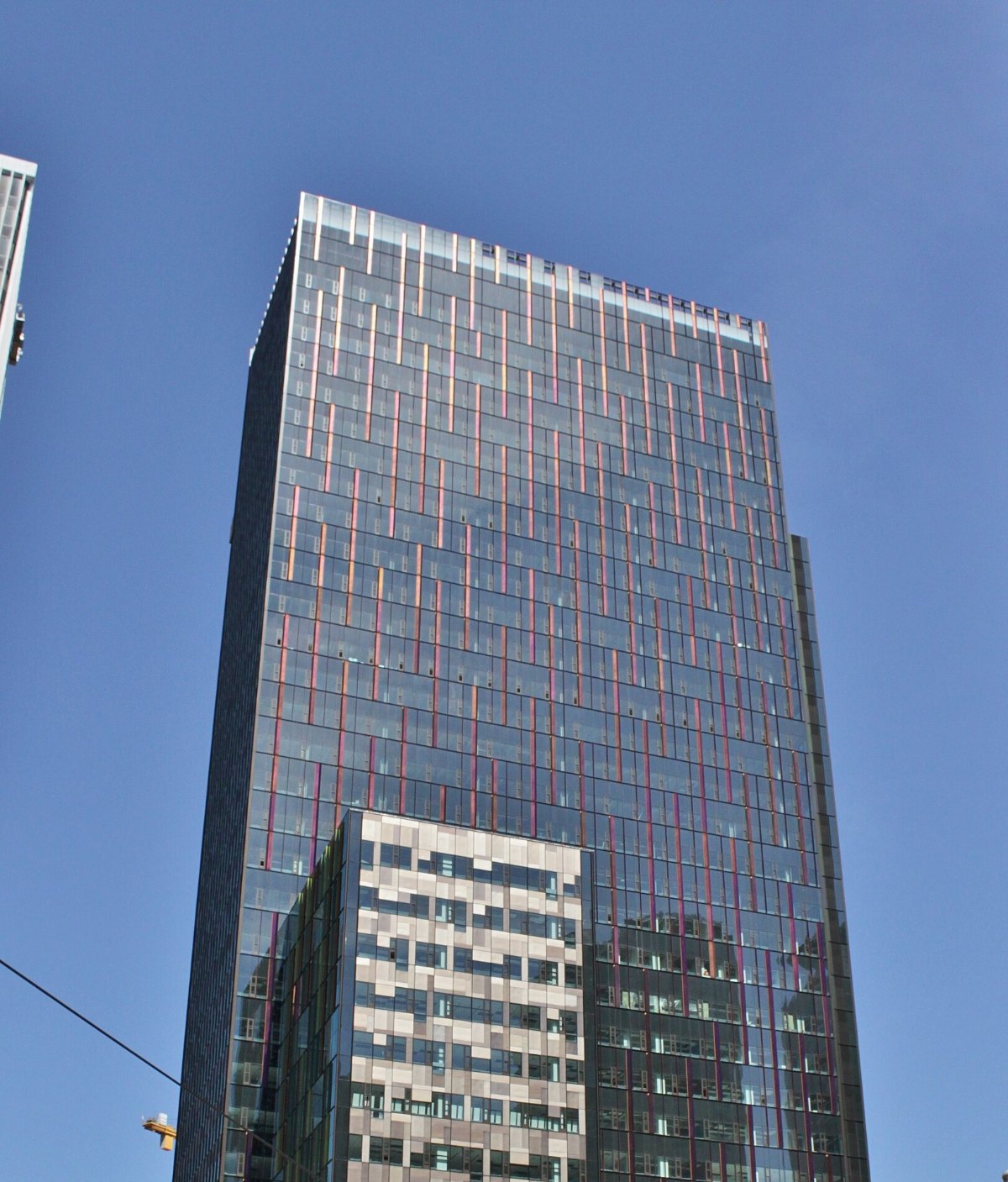
Photo: homebucket, CC BY-SA 2.0, via Wikimedia Commons